Our Leadership

पंडित राजकुमार बाजपेयी जी ( राष्ट्रीय अध्यक्ष )

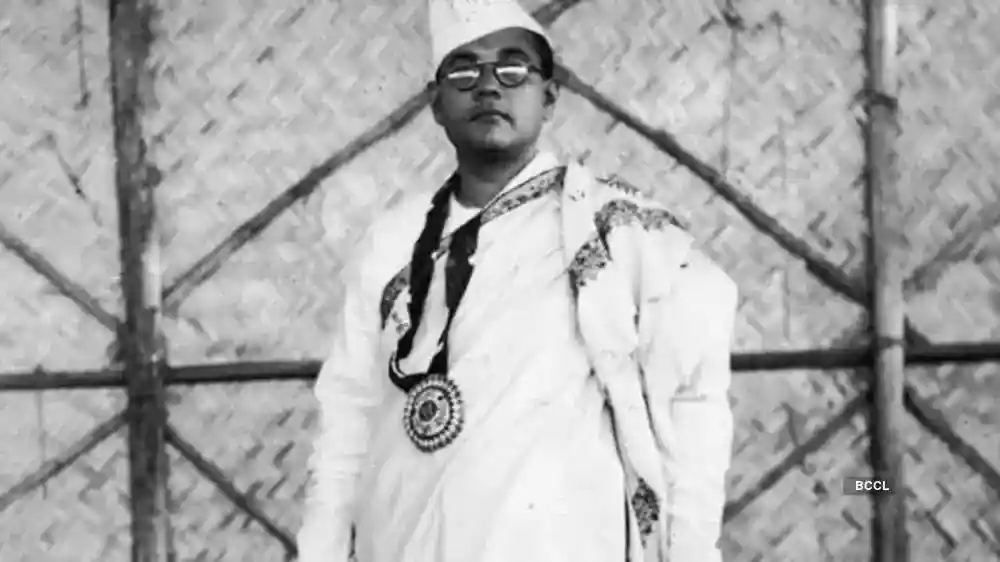
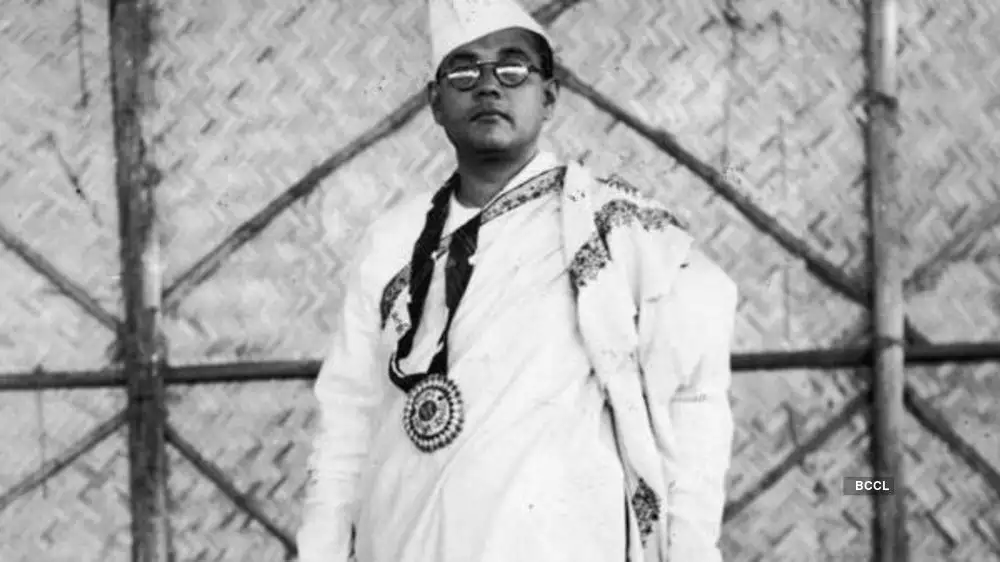
One of the iconic leaders of all times, Subhas Chandra Bose, lovingly known as Netaji, was not just instrumental in India freedom struggle from the British but his patriotism and ideologies went on to inspire generations after him. Born on January 23, 1897, Bose’s iconic call for freedom earned him an unwearied reputation not just in India but with other world leaders as well.

Netaji led a young radical wing of the Indian National Congress in the late 1920s, becoming its president. He was later ousted due to ideological differences with Mahatma Gandhi but he continued his struggle for freedom by building the Indian National Army and the All India Forward Bloc, which was a left-wing nationalist political party in India. Indian women also played an important role in the activities for the freedom of India. A women’s regiment of Azad Hind Fauj was formed, called Rani of Jhansi regiment, which was under the command of Captain Lakshmi Swaminathan.
ठाकुर तेजप्रताप सिंह जादौन जी ( राष्ट्रीय महासचिव / प्रदेश अध्यक्ष उत्तर प्रदेश)

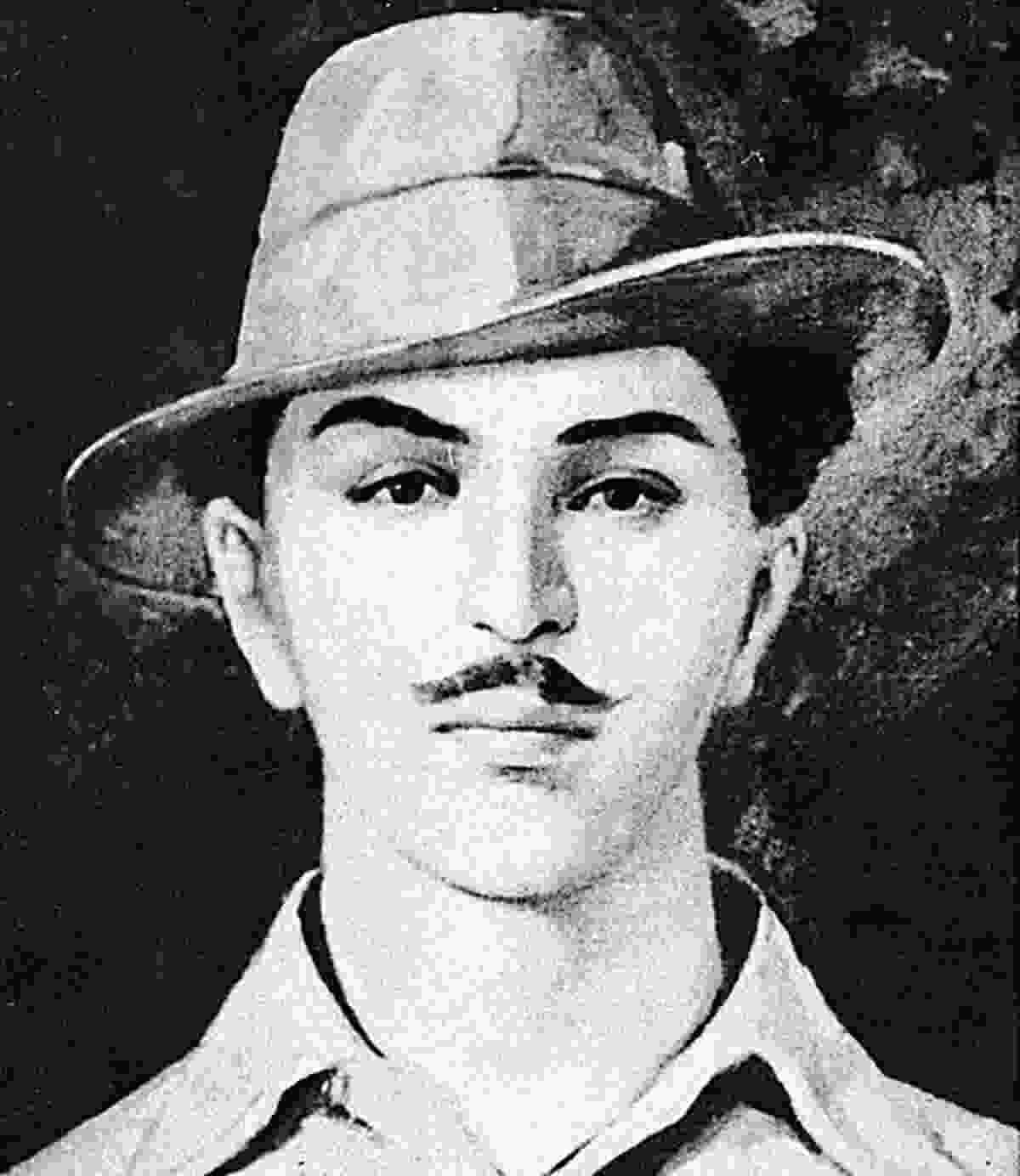
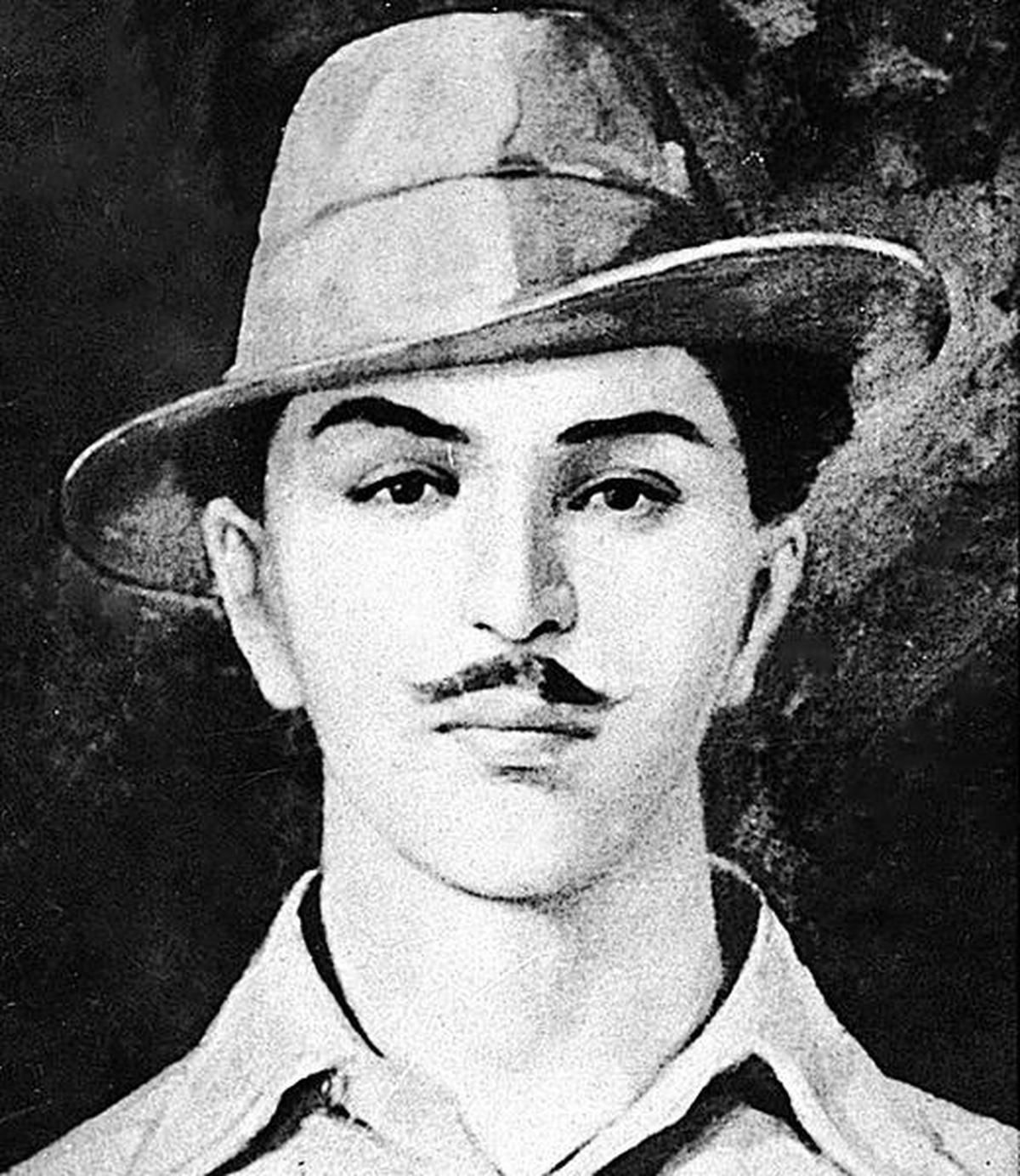
Bhagat Singh was considered to be one of the most famous revolutionaries of the Bharatiya Independence movement. For this reason, he is often referred to as ‘Shaheed’ (martyr) Bhagat Singh. At such a young age, if anyone was smiling just before being hanged to death, it was Martyr Bhagat Singh. His uncle, Sardar Ajit Singh, as well as his father, were great freedom fighters, so he grew up in a patriotic atmosphere. At an early age, he started dreaming of uprooting the British empire. Never afraid of fighting during his childhood, he thought of ‘growing guns in the fields’, so that he could fight the British. The Ghadar Movement left a deep imprint on his mind. Kartar Singh Sarabha, hanged at the age of 19, became his hero. The massacre at Jallianwala Bagh on 13th April, 1919 drove him to Amritsar, where he kissed the earth sanctified by the martyrs’ blood and brought back home a little of the soaked soil. At the age of 16, he used to wonder why so many Bharatiyas could not drive away a fistful of invaders.
A brutal attack by the police on veteran freedom fighter Lala Lajpat Rai at an anti-British procession caused his death on 17th November 1928, in Lahore. Bhagat Singh determined to avenge Lajpat Rai’s death by shooting the British official responsible for the killing, Deputy Inspector General Scott. He shot down Assistant Superintendent Saunders instead, mistaking him for Scott.

श्री सुशील गुप्ता जी (राष्ट्रीय कोषाध्यक्ष)

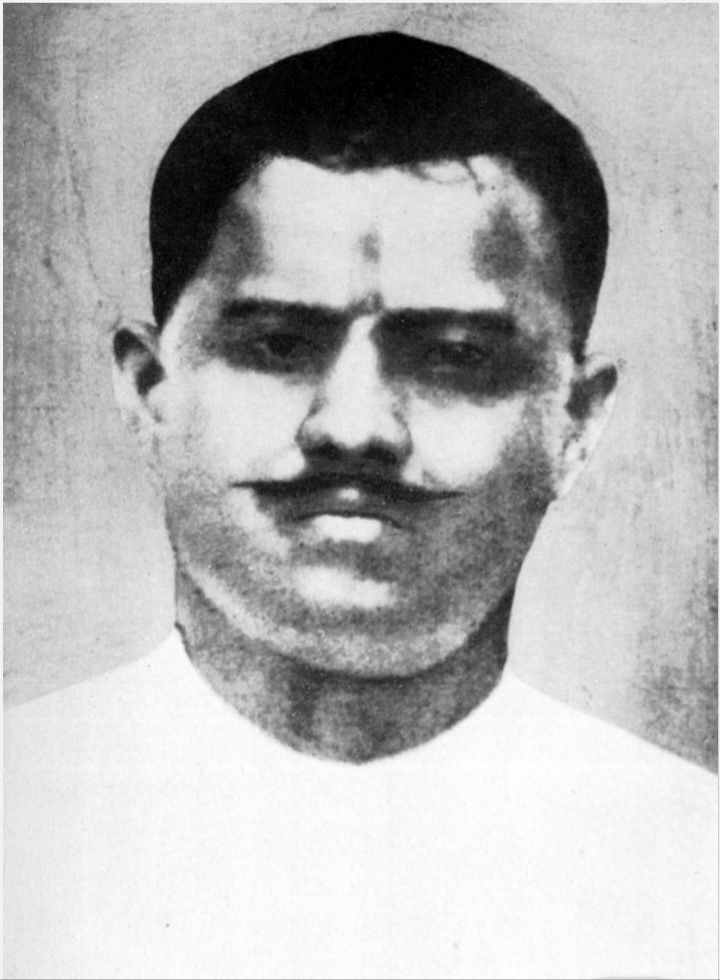
With a desire for freedom and revolutionary spirit reverberating in every inch of his body and his poetry, Ram Prasad Bismil was among the most notable Indian revolutionaries who fought British colonialism and made it possible for the nation to breathe the air of freedom after centuries of struggle against the imperial forces.

Ram Prasad Bismil was born on June 11, 1897, in a nondescript village in Uttar Pradesh’s Shahjahanpur district to Murlidhar and Moolmati. He was associated with the Arya Samaj from an early age.
Bismil started writing powerful patriotic poems in Urdu and Hindi under the pen names of ‘Bismil’, ‘Ram’ and ‘Agyat’. The ideals of freedom and revolution got first ingrained in his mind after he read the death sentence passed on Bhai Parmanand, an Indian nationalist and Arya Samaj missionary. He gave vent to his anger in the form of his poem ‘Mera Janm’. He was just 18 then.
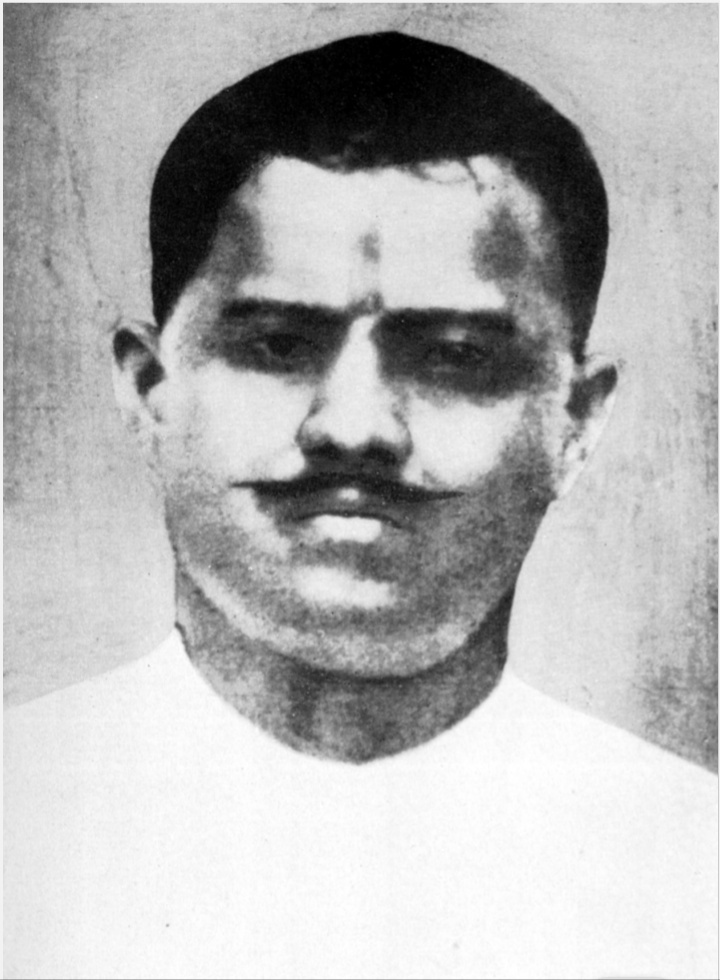
Bismil got his name etched as a prominent freedom fighter with his participation in the Mainpuri conspiracy of 1918. Bismil along with Genda Lal Dixit, a school teacher from Auraiya, organised youth from Etahwah, Mainpuri, Agra and Shahjahanpur districts to strengthen their organisations, ‘Matrivedi’ and ‘Shivaji Samiti’. He published a pamphlet titled ‘Deshwasiyon ke Naam’ and distributed it along with his poem ‘Mainpuri ki Pratigya’ on January 28, 1918. To collect funds for the parties, they looted government coffers.

His ideals of freedom struggle stood in stark contrast to that of Mahatma Gandhi and he would reportedly say “independence would not be achieved by means of non-violence”.

ठाकुर तेजप्रताप सिंह जादौन जी ( राष्ट्रीय महासचिव / प्रदेश अध्यक्ष उत्तर प्रदेश)

Bhagat Singh was considered to be one of the most famous revolutionaries of the Bharatiya Independence movement. For this reason, he is often referred to as ‘Shaheed’ (martyr) Bhagat Singh. At such a young age, if anyone was smiling just before being hanged to death, it was Martyr Bhagat Singh. His uncle, Sardar Ajit Singh, as well as his father, were great freedom fighters, so he grew up in a patriotic atmosphere. At an early age, he started dreaming of uprooting the British empire. Never afraid of fighting during his childhood, he thought of ‘growing guns in the fields’, so that he could fight the British. The Ghadar Movement left a deep imprint on his mind. Kartar Singh Sarabha, hanged at the age of 19, became his hero. The massacre at Jallianwala Bagh on 13th April, 1919 drove him to Amritsar, where he kissed the earth sanctified by the martyrs’ blood and brought back home a little of the soaked soil. At the age of 16, he used to wonder why so many Bharatiyas could not drive away a fistful of invaders.
A brutal attack by the police on veteran freedom fighter Lala Lajpat Rai at an anti-British procession caused his death on 17th November 1928, in Lahore. Bhagat Singh determined to avenge Lajpat Rai’s death by shooting the British official responsible for the killing, Deputy Inspector General Scott. He shot down Assistant Superintendent Saunders instead, mistaking him for Scott.

Our Inspiration